Influencer Platform Development for Marketing Agencies
We build your agency's own influencer platform: one creator roster, client spaces, two-step approval, payouts and reports under your logo.
Written by Prabhjot Kaur, Product Manager
Reviewed by Mukesh, PRS India software & mobile app development team
11 min read
Written from production. Our articles draw on products we run live and the client work behind them, and are revised as the systems they describe evolve.
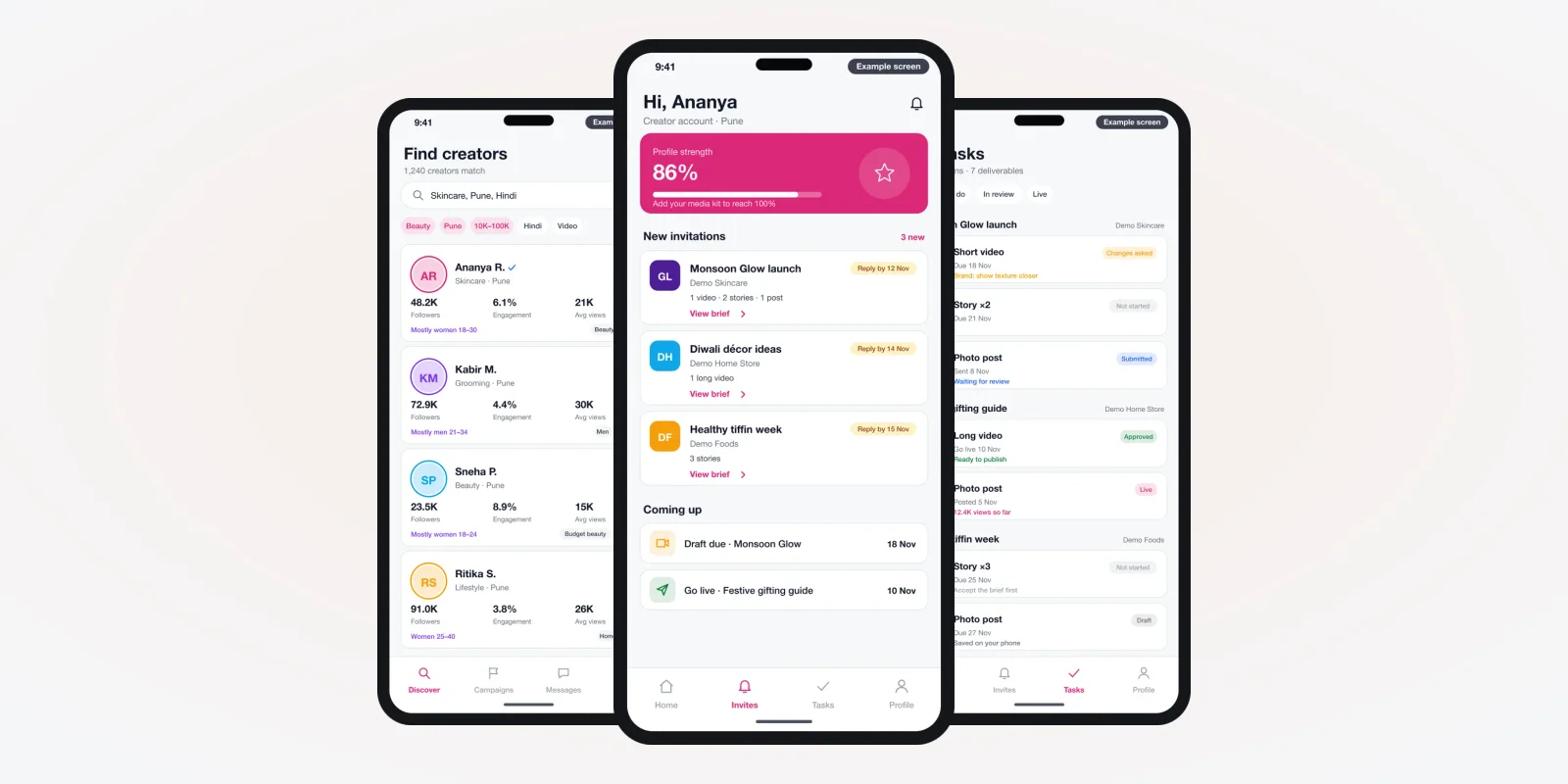
An influencer agency juggles two lists that never stop changing. One is the list of clients: a phone brand, a snack brand, a fashion label. The other is the list of creators: hundreds of them, in many cities and niches. Every campaign joins the two lists, and every join has its own brief, drafts, dates, rates and invoices.
Most agencies hold this together with shared sheets and a WhatsApp group per client. That works for five campaigns. It breaks at fifty. This is why agencies now look for influencer marketing agency software that fits how they work. PRS India builds an influencer marketing platform for agencies as your own software. You get a web app for your team and your clients and a phone app for creators. Your logo goes on all of it.
Key takeaways
- An agency platform must keep each client's campaigns, files and reports apart, while sharing one creator roster.
- Approvals have two steps: your team checks the draft first, then the client signs off.
- Client logins should show your agency brand, not a software vendor's.
- Creator rates, your fee and the client's budget should sit in one place, visible only to the right people.
- When we build it, the roster, client history and source code stay with your agency.
How agencies run creator campaigns today
Take a mid-size agency with eight clients. Each client has two or three live campaigns. Each campaign has ten to thirty creators. That is hundreds of open tasks at the same time.
The account manager keeps one sheet per client. The creator manager keeps another sheet with creator contacts and rates. Finance keeps a third with payments. The three sheets drift apart within a week. When a client asks "where are we?", someone spends an hour building the answer.
The problem
Where agencies lose time and margin
These six gaps cost agencies hours each week and, often, clients.
- Roster in many heads. Each creator manager knows their own creators. When one leaves, the contacts and past rates leave too.
- Same creator, two clients. A creator is pitched to two rival brands in the same month. Nobody spots it in time.
- Client sign-off by email. The client replies to a draft from the wrong thread. The creator posts the old version.
- Reports built by hand. Staff copy views from screenshots into slides at the end of every month.
- Hidden margin leaks. A creator's rate goes up, but the client quote was fixed. The difference shows up only at billing.
- Late creator payments. Payouts wait for the client to pay first. Creators get upset and stop picking up calls.
What an agency influencer platform does
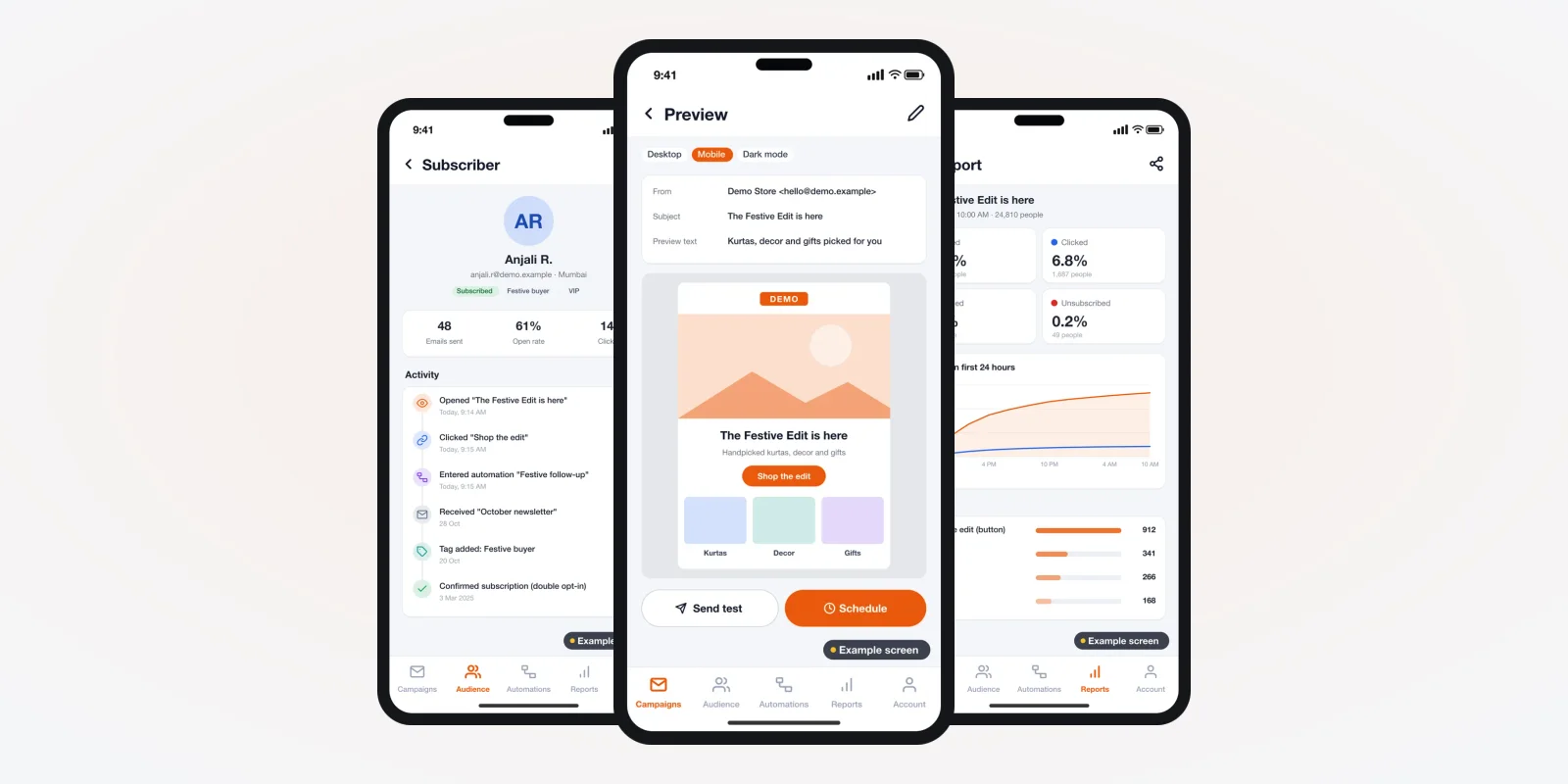
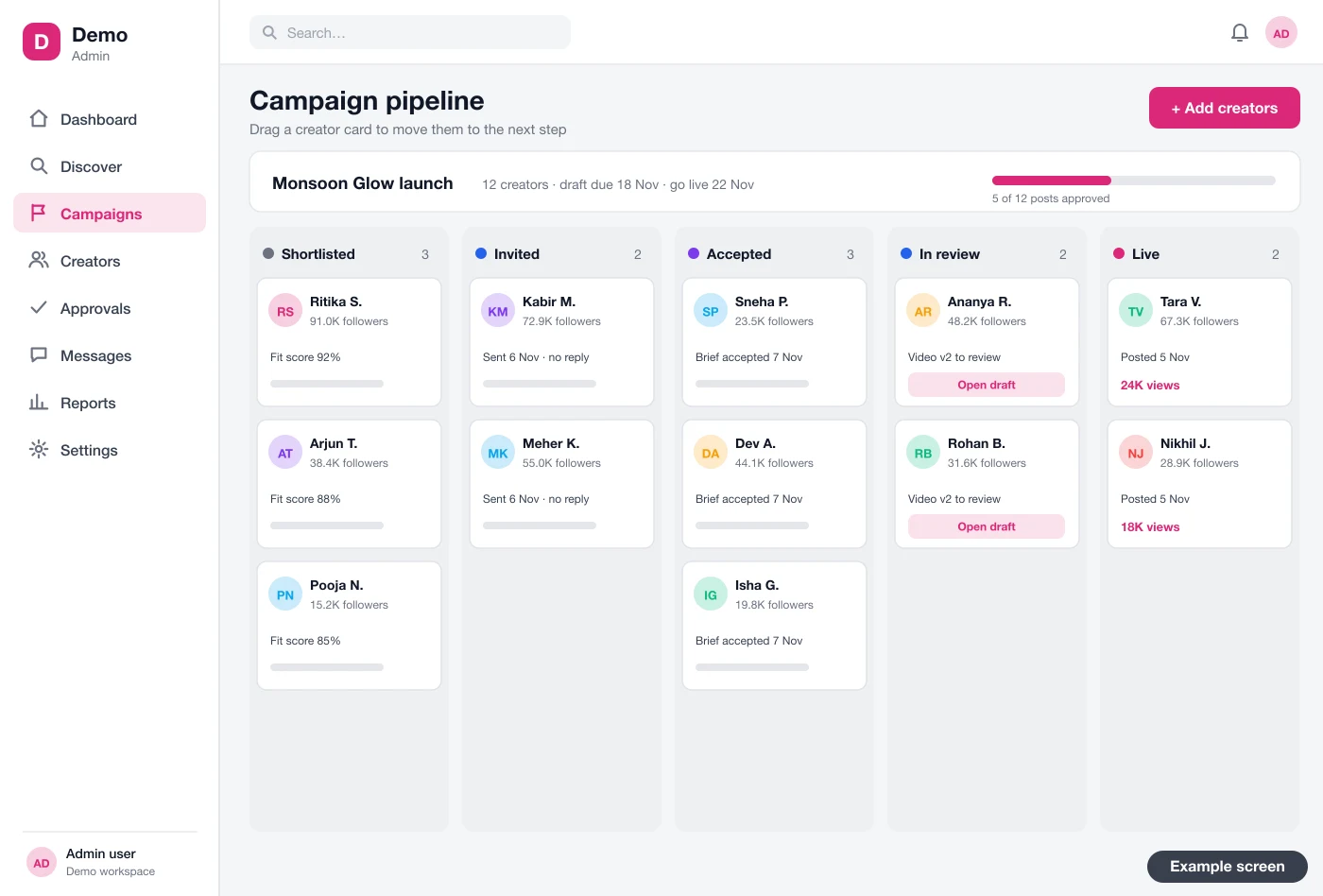
It gives each campaign a board. Creators move across it from shortlisted to invited, accepted, in review and live. Your team sees every client's boards. Each client sees only its own. The same code can serve all your clients with their data kept apart.
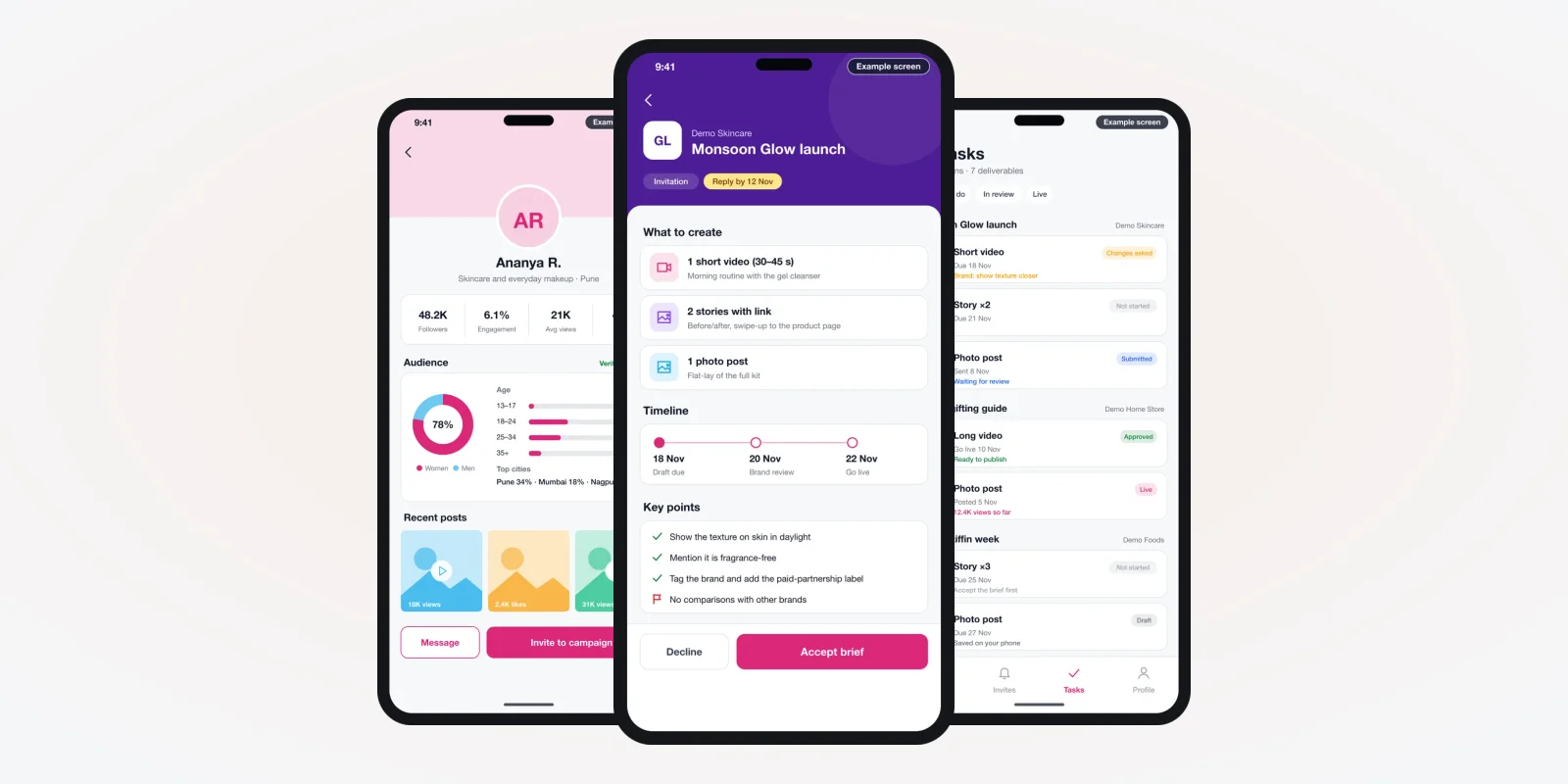
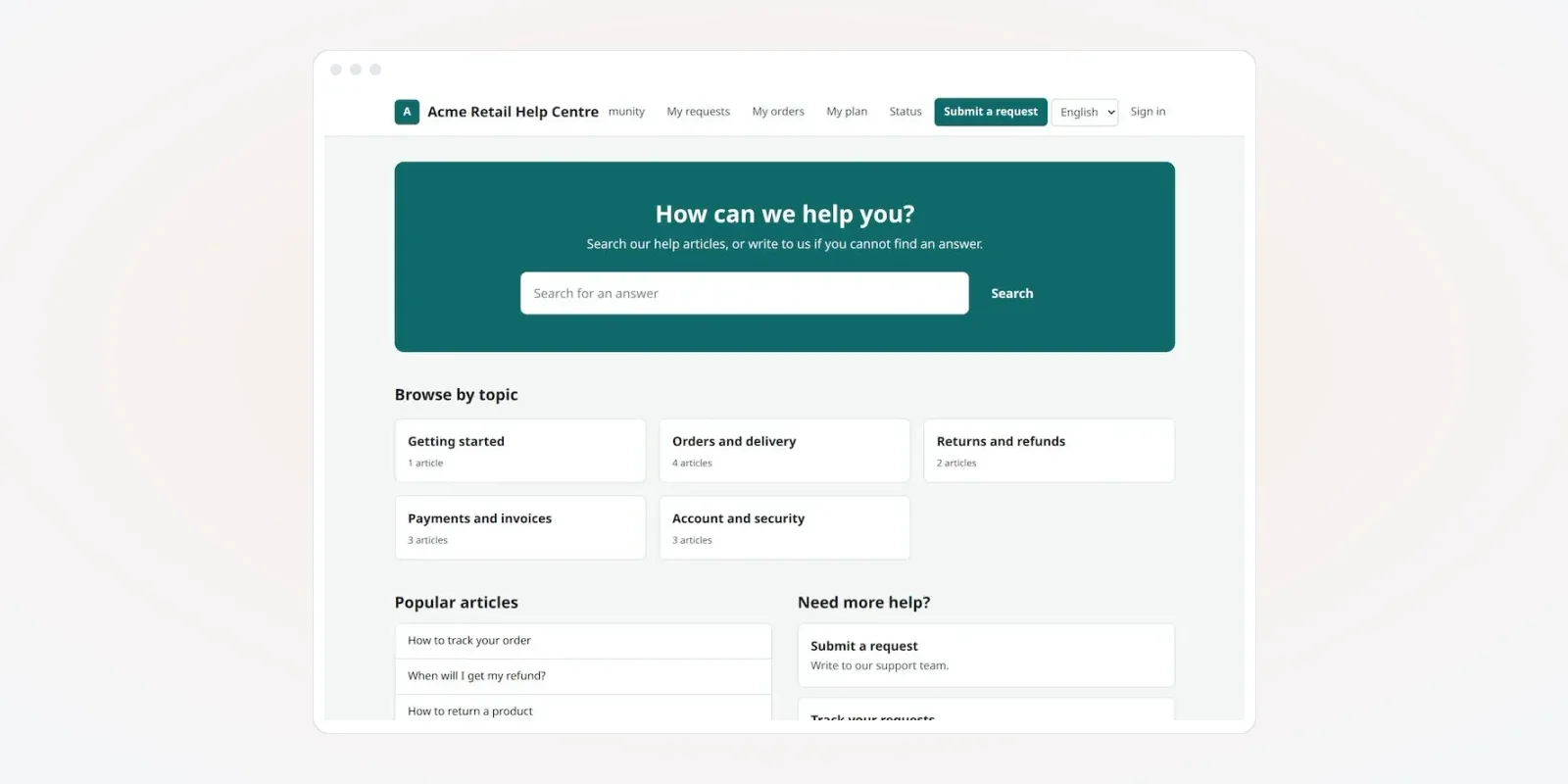
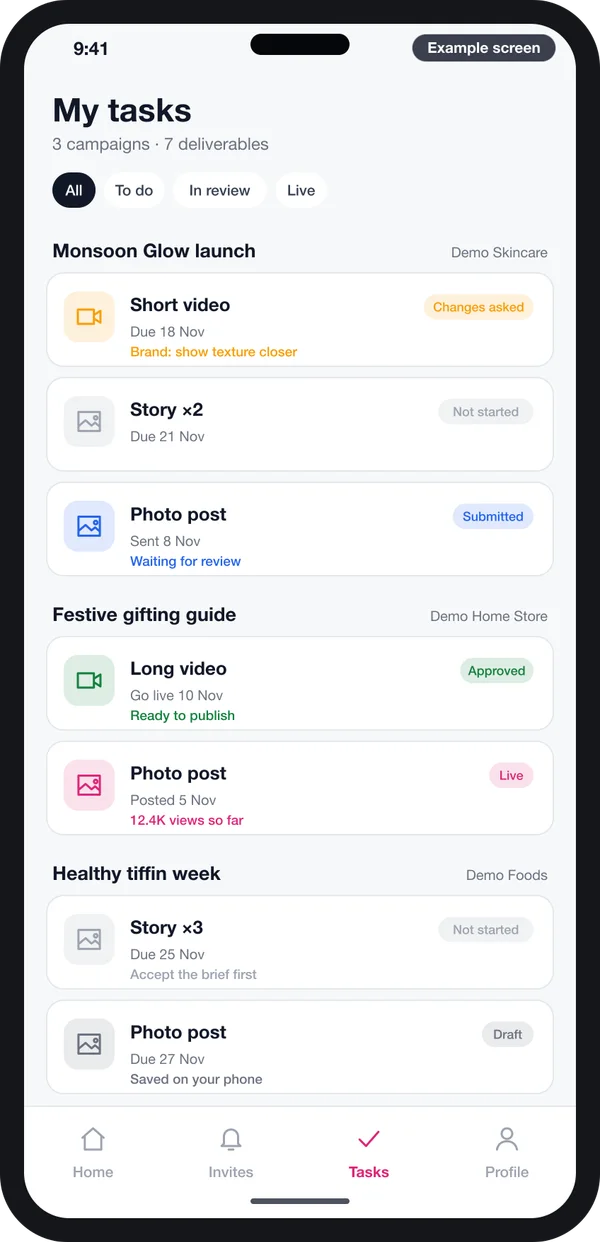
The screens in this guide are example designs we drew for an influencer platform, with demo data. They are not a live product. We change them to match your agency's steps.
Who uses it inside an agency
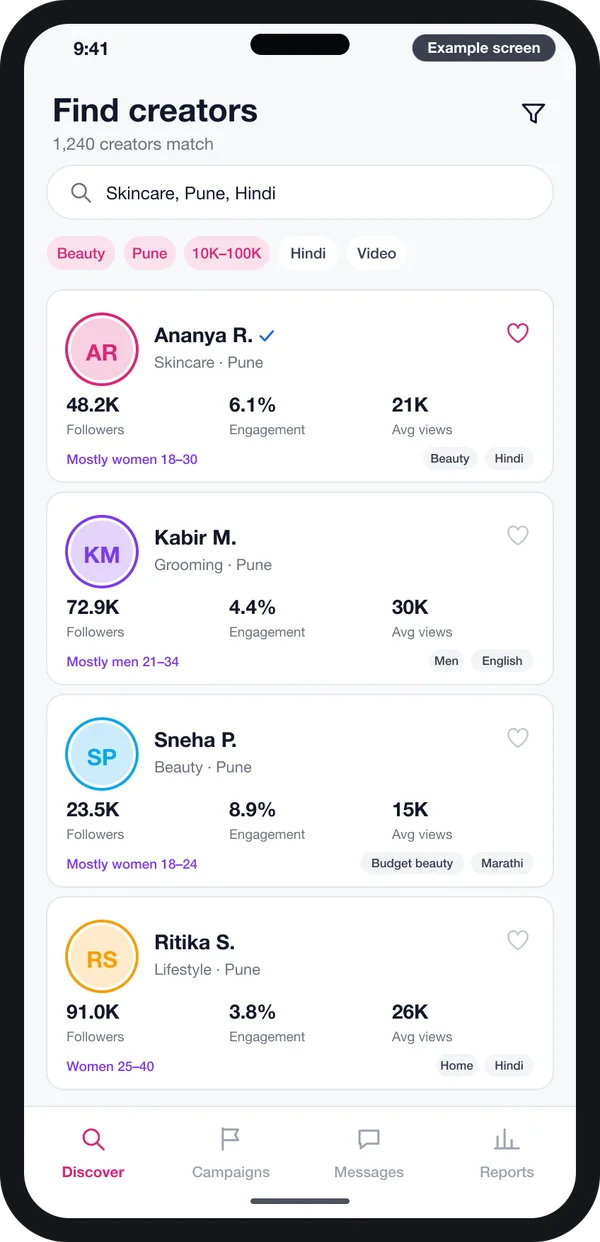
Creator managers
Search the roster, check who has time this month, and shortlist creators for a client.
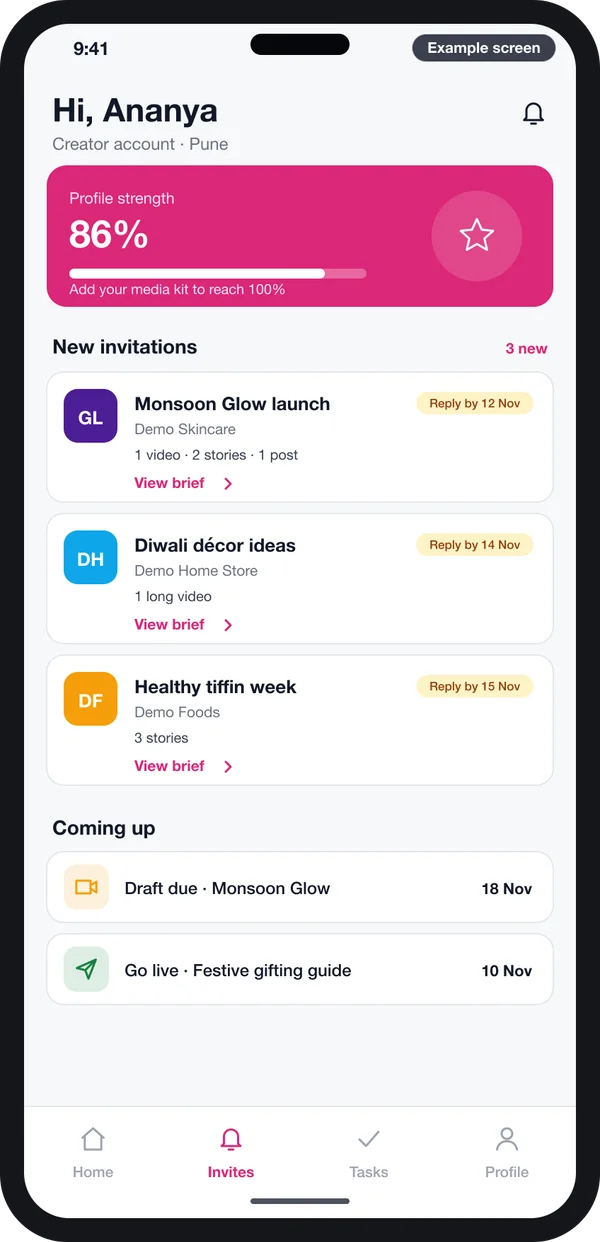
Creators
Get invites from your agency, see deadlines and keep their profile up to date.
Account managers
Track every post for a client and answer "where are we?" in seconds.
Clients get their own login too. They see their campaigns, approve drafts and download reports. Finance gets a view of creator payouts and client invoices.
Features agencies ask us for
1. One roster, many clients
Every creator sits in one shared roster with niche, city, languages, rates and past campaigns. Notes from each creator manager stay on the record. A clash check warns you before you pitch a creator who just worked with a rival brand.
2. Client workspaces
Each client has a separate space for briefs, files, approvals and reports. Staff are added per client. A person on the snack brand cannot open the phone brand's files.
3. Briefs and bulk invites
Write the brief once. Invite twenty creators in one step. Each creator gets the brief in the app and accepts or declines it there.
4. Two-step approval
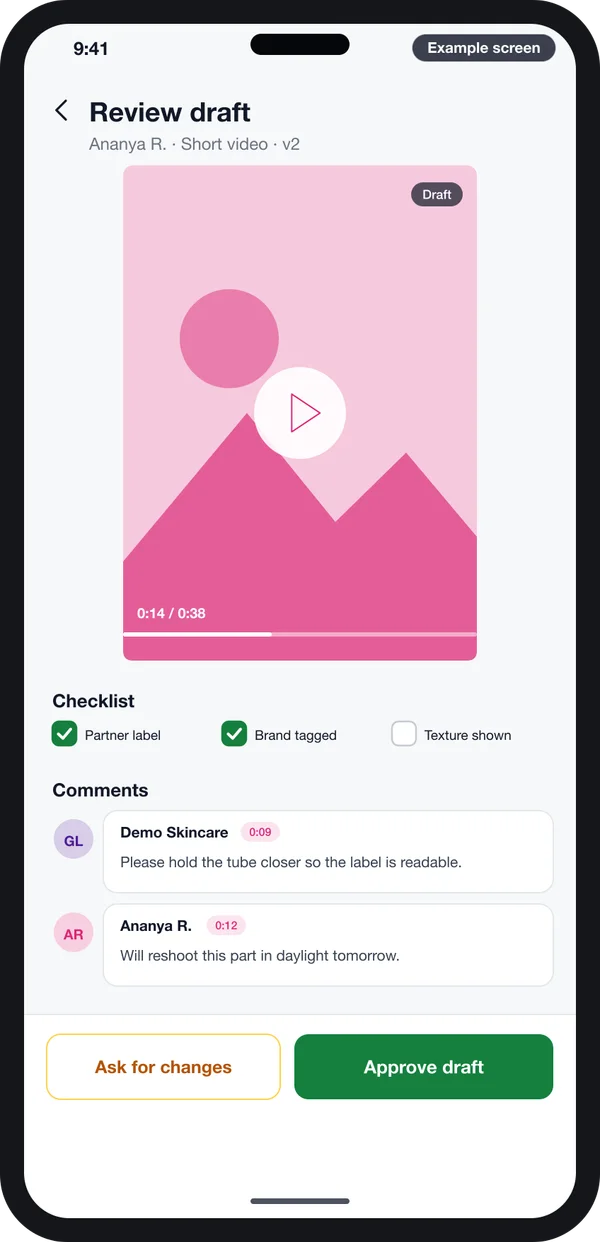
The creator uploads a draft. Your account manager checks it first and leaves comments at the right second of the video. Only then does it go to the client for final sign-off. Every version and every comment stays on file, so there is no debate later about what was agreed.
5. Rates, fees and margin per campaign
For each campaign, the platform shows the client budget, each creator's agreed rate and your agency fee. Only owners and finance see the margin. If a creator's rate changes after the quote, the platform flags it. This works much like a CRM for your creator deals, with history on every creator and client.
6. Payouts and invoices
Creator payouts can go out by UPI or bank once a post is approved and live. The platform keeps the creator's invoice, any TDS entry and the payment proof. Client invoices are made from the same campaign data, so the numbers match.
7. Reports under your logo
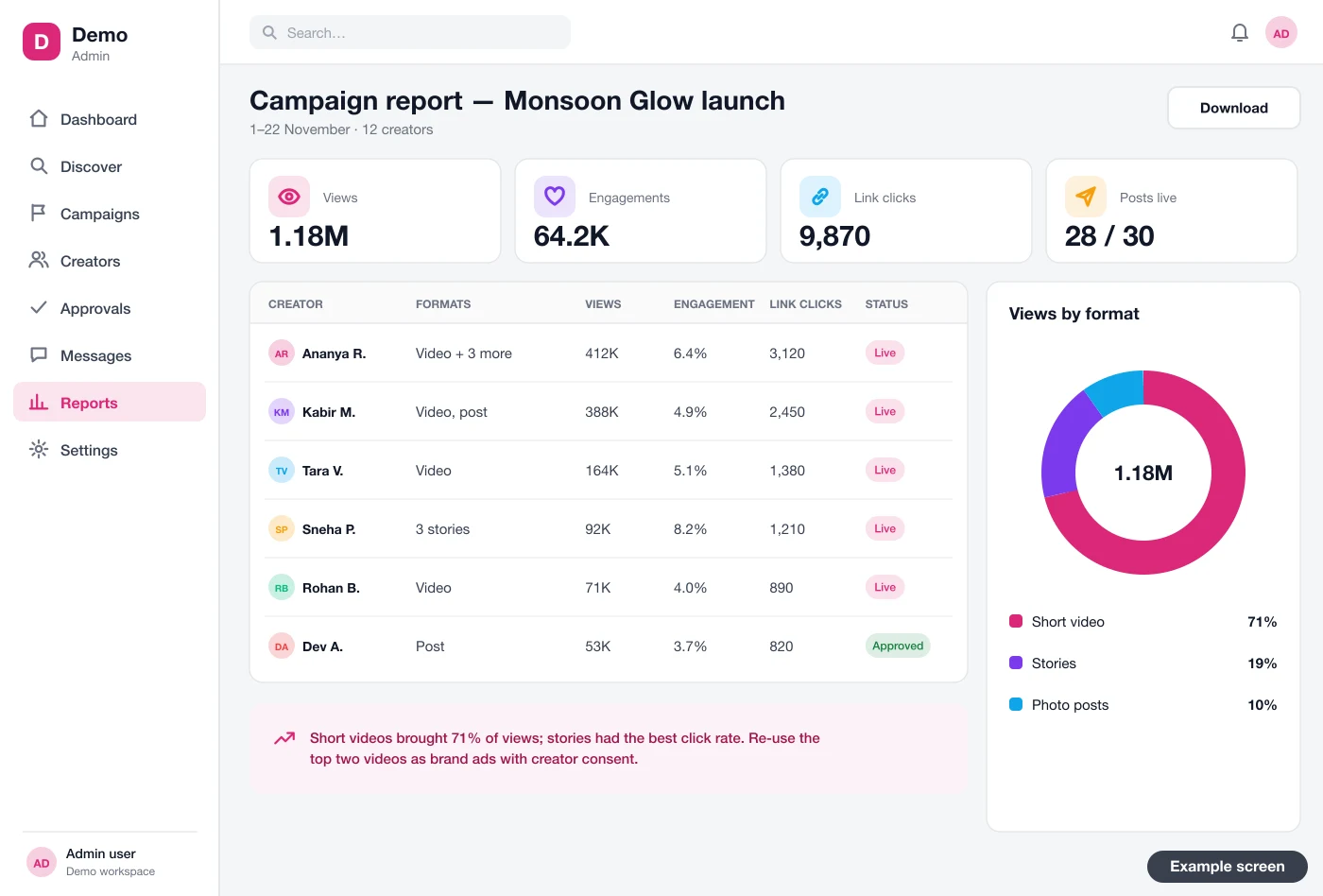
Once posts go live, the platform reads views, engagement and clicks per creator. These come through each social platform's official API, where the creator has connected the account. The report carries your agency's logo, and the client can download it any time.
8. Your team's dashboard
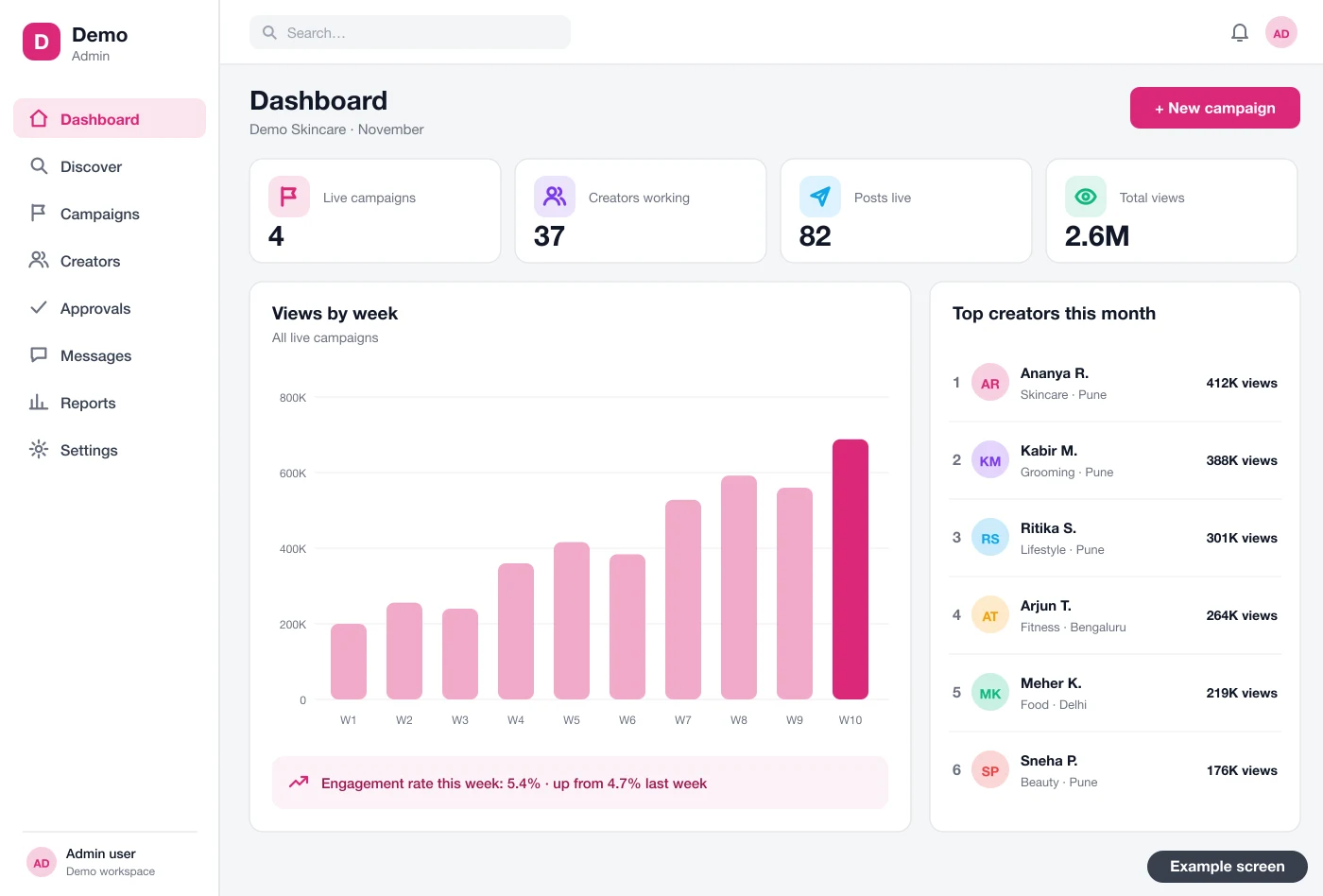
Owners see all clients at once: live campaigns, drafts waiting, posts going live this week and payouts due. We can add AI to suggest creators from your roster for a new brief, based on past results.
Rules your platform should help you follow. Paid and gifted posts need a clear label under the ASCI guidelines for influencer advertising. The Department of Consumer Affairs released "Endorsements Know-hows!" in January 2023; check the department's website for updates. For products given to creators, see CBDT Circular 12 of 2022 on section 194R. Creator and client data falls under the DPDP Act, 2023. The platform can remind and record, but check your duties with a lawyer and a CA.
Source: ASCI, Department of Consumer Affairs (PIB, 20 January 2023), Income Tax Department and MeitY, as linked above.
Own agency platform vs rented tool vs sheets
| What an agency needs | Sheets and chat groups | Rented influencer tool | Your own agency platform |
|---|---|---|---|
| One roster shared by all staff | Copies drift apart | Yes | Yes |
| Separate space per client | No | Sometimes | Yes |
| Client portal with your logo | No | Rarely | Yes |
| Two-step approval: agency then client | By email | Sometimes | Yes |
| Margin per campaign, hidden from staff | Manual | Rarely | Yes |
| Cost grows with every seat | No | Often | No |
| Roster and history if you switch | Scattered | Stays with the vendor | Yours |
Worked example: one agency, three brands, one month
Here is how an agency could run a busy month on its own platform. The brands and numbers are examples.
- Day 1, three briefs. A snack brand, a phone brand and a sari label each send a brief. The account managers set up three campaigns in three client spaces.
- Day 2, shortlists. Creator managers filter the roster by niche and city. The clash check stops one food creator who posted for a rival snack brand last month.
- Day 3, invites. Forty creators get invites in the app. Thirty-two accept within two days.
- Day 10, drafts. Drafts arrive. Account managers comment and fix small issues. Clean drafts move to each client for sign-off.
- Day 14, client approval. The phone brand asks for one change on three drafts. The rest are approved in the portal.
- Day 18, live. Posts go live with the right label. Your team checks the captions.
- Day 25, pay and report. Creators are paid with proof saved. Each client downloads a report with your logo. Finance sees the margin per campaign.
Our service
How we build your agency platform
Your agency's steps become the software's steps.
- Map your workflow. We sit with your account, creator and finance teams to list every step and handover.
- Design the screens. You review clickable screens for your team, your clients and your creators.
- Build the web app. A fast web app for staff and client logins, with a server that handles invites, files and reports.
- Build the creator app. One Flutter app for Android and iPhone, under your agency's name.
- Move your data. We import your current roster and live campaigns from your sheets.
- Launch and support. We set up your own cloud server and stay on to add features.
Want to look at open-source code first? Our guide on open-source influencer platforms explains what they cover and where agencies usually outgrow them.
Agency influencer platform development cost: what decides it
Every agency works a little differently, so we do not publish a fixed price. These things decide the cost:
- How many user types you need: staff, clients, creators, finance.
- Whether clients log in to approve and download reports.
- How many social platforms you connect through official APIs.
- Whether payouts and invoices run inside the platform.
- Whether you will open it later as a marketplace for brands and creators.
| Rented tool, per seat | Your own agency platform | |
|---|---|---|
| Start | Same day | A few weeks to design and build |
| As your team grows | Bill grows with each seat | No seat fee |
| Client portal under your brand | Rarely | Yes |
| Your own steps and approval rules | Fixed by the vendor | Built the way you work |
| Data and source code | Stay with the vendor | Yours |
Tell us your team size, client count and the parts you need first. We send a written quote after one call. You can also see platforms and apps we have built before.
Whoever builds your agency platform, make sure it can:
- Keep one creator roster with notes from every creator manager
- Keep each client's files and reports apart
- Warn you before pitching a creator to a rival brand
- Run two-step approval: your team first, then the client
- Show margin per campaign only to owners and finance
- Pull post numbers only through official APIs, with creator permission
- Make reports with your logo that clients can download
- Export your roster and campaign data any time
FAQ
What is influencer marketing agency software?
It is software an agency uses to manage creators, clients and campaigns in one place. It covers the roster, briefs, approvals, payouts and client reports.
How long does it take to build an agency influencer platform?
It depends on the user types and features. After one call, we share a plan with dates. You see clickable screens before any code is written.
Can my clients log in with my agency's brand?
Yes. The client portal carries your logo and colours. Clients see only their own campaigns and reports.
Will my agency own the platform and source code?
Yes. We hand over the source code. Your roster, client history and campaign data stay with you.
Which devices will it work on?
Your staff and clients use the web app on any laptop or phone browser. Creators get an app for Android and iPhone.
Can you move our current creator sheets into the platform?
Yes. We import your roster, rates and live campaigns from your sheets during setup, and check the data with your team.
How do you protect creator and client data?
We add role-based access, separate client spaces, encrypted storage and activity logs. Check your duties under the DPDP Act with a lawyer.
Do you scrape social media for creator numbers?
No. We use each social platform's official API, and only after the creator connects the account and agrees.
Can PRS India build an influencer platform for my agency?
Yes. We build the agency web app, client portal and creator app under your brand. Book a consultation to walk us through your workflow.
Related guides
Written by
Prabhjot Kaur · Product Manager
Product Manager at PRS India. Turns what a client needs into a screen-by-screen plan for the app, and checks every release against that plan before it goes out.