

Swasthya Sarathi
A healthcare-companion platform for Swasthya Sarathi
A website and mobile app development project for a multi-service healthcare companion — It helps peo...
Read itSales pipeline and customer systems
CRMs that reps really use: calls that log themselves, WhatsApp chats attached to the lead, lead routing with an SLA, and a forecast the sales head opens without worry.
Last updated

Every CRM that has ever been abandoned was abandoned for the same reason: it asked the sales team for more than it gave them back. Fourteen fields you must fill to log a call. A pipeline view that takes six seconds to load. A report that only the CEO looks at, made from data the reps were forced to type.
So we build CRMs the other way round. The rep gets something on day one. The call is logged automatically because the telephony is connected. The WhatsApp thread is already attached to the lead. The next action is filled in. The lead reaches their phone within ninety seconds of the enquiry, with everything they need to make the call. Good data comes as a result of a tool people want to use, not a rule nobody wins.
This is for teams where selling is the business: real estate, education, healthcare, B2B services, high-priced D2C. Maybe you have twenty reps, four sources of leads, an SLA you keep missing, and a sales head who cannot answer "what is going to close this month" without opening a spreadsheet. That is the problem we solve.
Most CRM projects do not fail at go-live. They fail in week six, quietly, when the reps stop entering data.
Once entry stops, the pipeline is fiction. The forecast is fiction. The sales head goes back to asking people in the Monday meeting. Within three months the CRM is an expensive contact list. This is the most common way a CRM investment dies, and you can see it coming.
The fix is not training, and it is not an order. It is removing the typing. Calls are logged by the telephony link, not by the rep. WhatsApp and email threads attach themselves to the lead. Status changes when an action happens, not when someone remembers to update a dropdown. Site-visit check-ins are a GPS tap on a phone, not a form. We aim for a rep to work a full day and type fewer than twenty words.
Then we measure how much the team uses it, as a key number: daily active reps, share of calls logged against telephony records, and share of leads with a next action set. We put it on the sales head's dashboard from week one. You see use slipping while it is still easy to fix, not six months later when the forecast already means nothing.
Every one of these costs you rupees, and most sales teams have never measured any of them.
The lead filled your form, then filled three competitors' forms. Whoever called first is now in a conversation. Speed to first touch matters most in the funnel and nobody is watching it.
Every meaningful conversation happened on a rep's WhatsApp. When they resign, the account goes with them and you cannot even find out what was promised.
Forty deals sitting in "Negotiation", eleven of them untouched for two months. The forecast is a number the sales head made up, because the CRM could not be trusted to give one.
The cloud telephony has recordings. The CRM has a note that says "interested". There is no link between the two, so coaching is guesswork and disputes cannot be won.
Meta reports leads, Google reports leads, the CRM reports closures, and no one system joins them. So you keep spending on the source with the best cost per lead and the worst cost per sale.
Enquiries from four sources get pasted into a group chat and whoever is awake picks them up. Duplicates get called twice. Half get called never.
Every one of these exists to take work away from a rep, not to add a field for them to fill.
One queue for every source. Leads are given out by area, product, deal size, taking turns or how busy each rep is. An SLA timer starts on arrival and sends the lead up the chain when time runs out, before the lead goes cold.
Exotel, Knowlarity or Twilio. Click to call, hidden phone numbers, the recording attached to the lead, and missed incoming calls turned into leads automatically. The rep never logs a call again.
Approved templates, a shared team inbox, opt-in capture and the 24-hour window handled the right way. Every thread attached to the lead, so the relationship stays with the company.
Meta Lead Ads, Google Ads, the website, portals like 99acres or Justdial, IVR, walk-ins and imported lists — duplicates removed by phone number, each lead tagged with its source, all in one pipeline.
Age in stage, a next action every time, old deals fading out automatically, and duplicates merged. A pipeline that shows the truth is a pipeline you can forecast from.
Weighted forecast, speed to first touch, SLA breaches by rep, and conversion and cost per closed deal by source. One page, under a second, honest even when it hurts.
CRM rollouts fail when people do not use them, so we plan the rollout around use from the first week.
We sit with reps while they work. We listen to the calls, read the WhatsApp threads, watch the leads arrive, and count what really gets typed and where. The real sales process is never the one on the slide, and the CRM has to fit the real one.
Stages with clear rules for moving on that a rep and a manager would both agree on. Routing rules. The response SLA for each source and who is told when it is missed. Who sees whose leads. We write this down and get the sales head to sign it, because arguing about it in month four is costly.
Telephony, WhatsApp Business API, Meta and Google lead ingestion, portal feeds and deduplication. We build these first, on purpose. They make the CRM give before it takes, and every week they are late is a week reps spend typing.
One region or one product line goes live. We watch daily use, such as active reps, calls logged and next actions set. We fix any problem in the same week we find it. The pilot team becomes the voice for it inside your company, which is worth more than any training deck.
Move the old data across, remove duplicates, and add teams one by one. Then set up the reports: forecast, lead source, cost per closed deal, SLA compliance. The dashboard is the last thing built and the first thing senior people look at.
Middle result across our CRM projects in the six months after the pilot team went live.
From enquiry to assigned, with the context
Mostly the result of speed to first touch
Checked against telephony records, not told by the rep
One queue, duplicates removed by phone number
| Zoho / HubSpot | Salesforce | Custom CRM | |
|---|---|---|---|
| Time to a working pipeline | 4–6 weeks | 10–16 weeks | 10–14 weeks |
| Cost scales with rep headcount | Yes, per seat | Yes, steeply | No |
| Deep Indian telephony and WhatsApp | Via connectors | Via connectors | Native |
| Unusual sales model (channel, multi-party) | Painful | Possible, costly | Native |
| Pipeline speed on a 4G phone | Good | Heavy | Excellent |
| You own the data and the code | Data only | Data only | Both, outright |
| Sensible when | Under ~40 reps | Enterprise governance | 50+ reps or an odd process |
Weighted by stage and by each rep's past conversion, not by whatever percentage a rep felt hopeful about on Friday. Age in stage shows the deals that are quietly dead. When the number moves, you can open the deals that moved it in two clicks.
Pricing you can set up with discount bands, an approval chain when a rep goes below the lowest price, and a PDF that goes out on WhatsApp with a read receipt.
The relationship does not end when the deal closes. Tickets, SLAs, warranty and AMC tracking sit on the same customer record the sale was made on.
GPS check-in from a phone that also works offline, with a visit plan and route. No forms, no fake attendance, no arguing about who was where.
UTM and click-ID are saved when the lead is created, kept through the whole journey, and matched with the closed deal. You get cost per closed deal by campaign, not cost per lead, which is the number that has been quietly misleading you.
A fleet, ePOD and route-planning platform that works offline first, for drivers on roads with poor signal. The two ready-made TMS products t...

A Shopify store for a Surat ethnic-wear label. It has 200+ SKUs of lehengas, sarees and suits, sorted by type, colour, fabric and work. Shop...
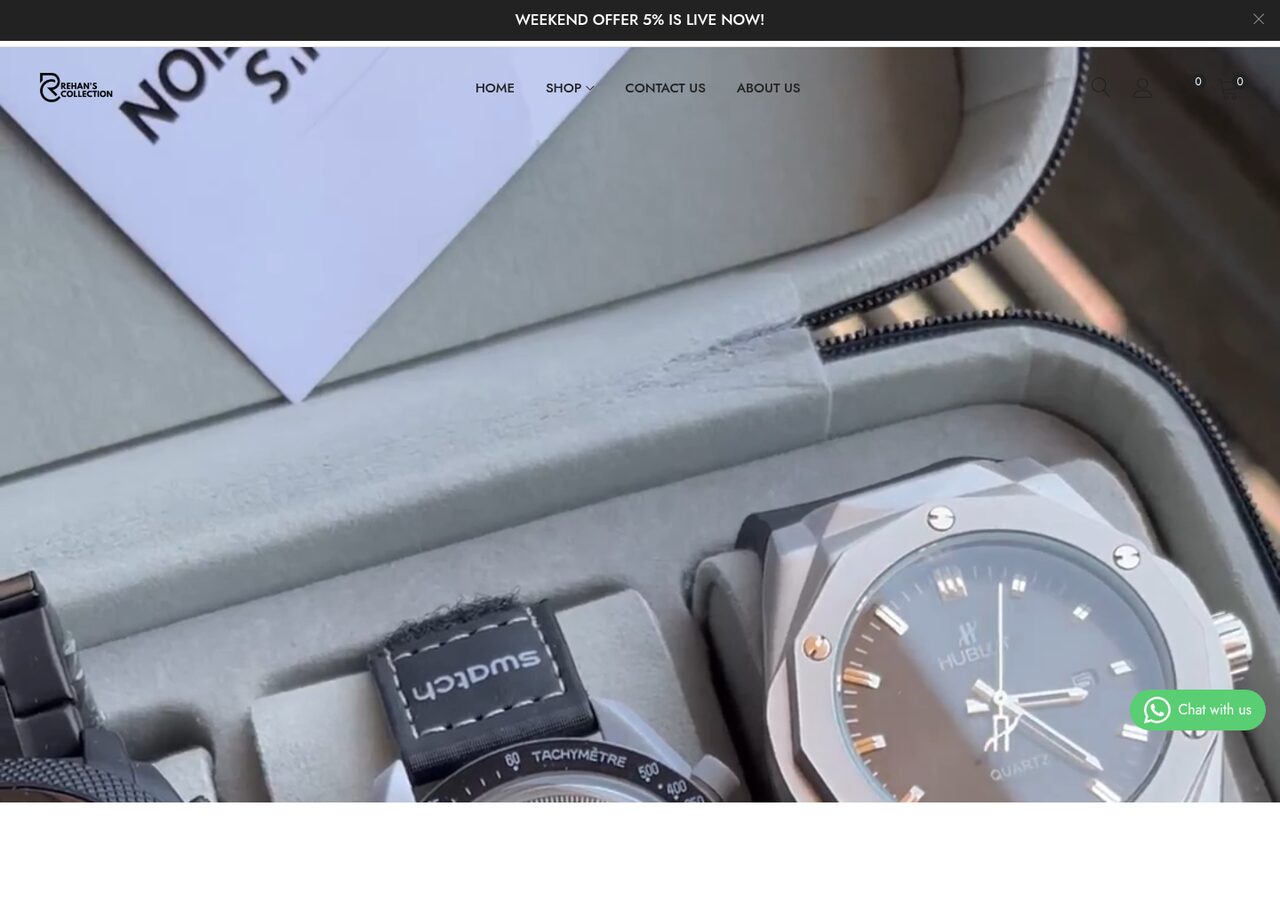
A Shopify storefront for a Surat watch and eyewear retailer — where shoppers can browse by gender, brand, style and combo. It has search tha...
If you cannot answer that in under a minute, that is the problem. Send us your lead sources and your pipeline export and we will show you where the revenue is leaking.
Proof
Swasthya Sarathi
A website and mobile app development project for a multi-service healthcare companion — It helps peo...
Read itMV Tech Education
A website development project for a Bihar vocational institute. It is a course list and admissions s...
Read itPatna Taxi
A website development project for a Patna and Muzaffarpur cab operator. It is a fast taxi-booking si...
Read itLive web applications built on Laravel, Next.js and Postgres. They are typed, tested, easy...
ExploreFlutter, React Native and native apps that keep working offline, on old phones and on a me...
ExploreCommerce platforms where the checkout turns visits into sales and the back office numbers...
ExploreLet's talk crm development
A senior engineer reads every enquiry. You'll get a real answer — scope, risk and a number — within one business day.