Swasthya Sarathi
A healthcare-companion platform for Swasthya Sarathi
A website and mobile app development project for a multi-service healthcare companion — It helps peo...
Read itDealer portals · Warranty · Service & AMC
Electronics makers sell to a channel and then service it for years. We build the plumbing between factory, distributor and field: serial and warranty tracking, dealer and distributor portals, service and AMC management, spare-parts catalogues mapped to the BOM, and telemetry that makes service predictive.
Last updated
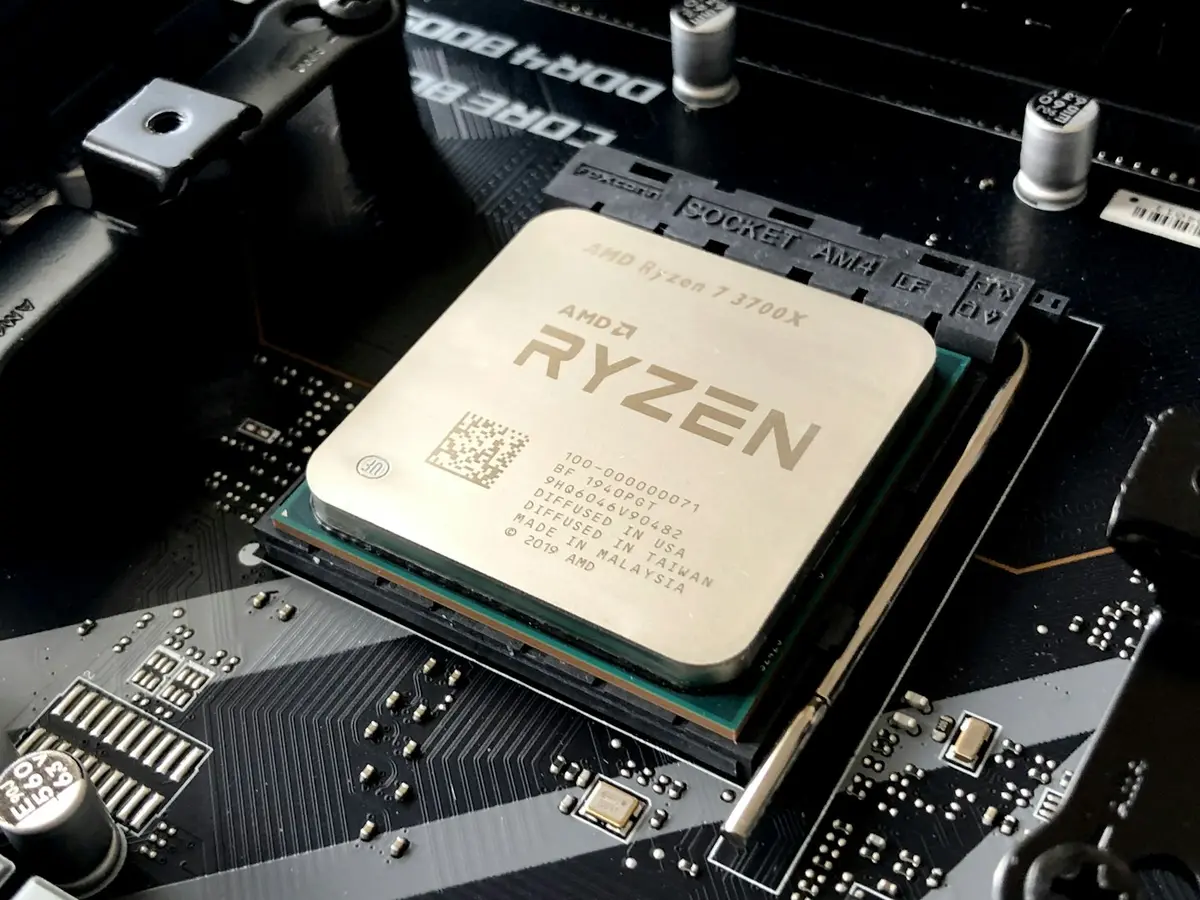
Serial and warranty tracking, dealer portals, service and AMC, spare-parts catalogues and device telemetry — the plumbing between factory, channel and field.
An electronics manufacturer's books show sell-in — units that left the factory to a distributor. The number that really runs the business is sell-out. Most makers cannot see it. So schemes are paid on stale data, production is planned on a guess, warranty claims are settled on a customer's word, and a batch that fails in the field is found only when the claims pile up, not when the first units report trouble. None of that is a storefront problem. It is a plumbing problem — between the factory, the channel and the field — and the plumbing was left to spreadsheets. We build the plumbing. It starts with one serial number that carries its whole life.
Talk about your channelInvoice, dealer, warranty, every service visit and every spare consumed — linked to one main serial record.
Secondary and tertiary sales captured, so schemes and production planning run on what dealers actually sold.
Works in a basement plant room with no signal. Parts booked to the job and serial, synced when the network returns.
Connected units raise a ticket on rising temperature or falling efficiency, before a failure becomes a claim.
Electronics and electrical manufacturers do not sell to consumers. They sell to a distribution network — national distributors, regional stockists, dealers, retailers — and then spend the rest of the product's life servicing what that network sold. The software that matters is not the storefront. It is the plumbing between the factory, the channel and the field, and it is almost always the part that has been left to spreadsheets and WhatsApp.
A washing machine, an inverter, a switchgear panel, an LED batch — each unit has a serial number, and that serial is the thread that ties together the invoice that shipped it, the dealer who sold it, the warranty that started when it was activated, every service visit it received, and the spare parts consumed on it. Manufacturers who treat the serial as a label printed at dispatch and forgotten cannot answer the questions that decide margin: is this warranty claim genuine or is the unit out of period, was this product diverted into a market it was not meant for, which batch is generating field failures. We make the serial a main record with its full life history, so warranty validation is a lookup rather than an argument, and a field failure spike is visible while the batch is still in warranty.
A manufacturer's own books show sell-in — what left the factory to the distributor. What actually matters is sell-out — what the dealer sold to the end customer — and most manufacturers are blind to it, which means schemes, incentives and stock decisions are made on a number that is months stale. A proper distributor and dealer portal captures secondary and tertiary sales, runs the scheme and incentive engine so a dealer can see exactly what they have earned, handles claims and credit notes without a fortnight of email, and gives the field sales team live stock and outstanding by dealer. Schemes are where channel trust is won or lost — a dealer who cannot see, to the rupee, what a scheme paid them is a dealer who assumes they were short-changed.
After the sale comes years of service, and for a lot of electrical businesses the service and AMC book is more profitable than the hardware. It needs real software: complaint capture across phone, WhatsApp and the dealer, a technician app that works offline on a factory floor or a basement plant room, spare-parts consumption booked against the job and the serial, SLA clocks on response and resolution, and AMC contracts with scheduled preventive-maintenance visits that get planned and tracked rather than forgotten until the customer complains. Warranty cost recovery from the OEM, and warranty reserve accounting, both fall out of this if the serial lifecycle underneath is honest.
A spare-parts catalogue is only useful if it maps parts to models and to the bill of materials, so a technician orders the right part the first time and the manufacturer can forecast spare demand from the installed base rather than guessing. The BOM ties procurement to production and lets you trace a defective component across every unit it shipped in. And for connected electrical equipment — inverters, UPS systems, industrial drives, energy meters — device telemetry over MQTT turns service from reactive to predictive: a unit reporting rising temperature or falling efficiency raises a ticket before it fails, which is the difference between a maintenance visit and a warranty claim plus an angry customer.
The serial is the main record. It holds the invoice, dealer, activation, warranty terms and full service history. Checking is a simple lookup.
Secondary and tertiary sales, live stock and outstanding, order placement and claims — the channel's window into itself.
Configurable slabs, target-based schemes, and a statement a dealer can verify to the rupee — because schemes that cannot be checked destroy trust.
Capture across phone, WhatsApp and dealer, SLA clocks on response and resolution, and warranty cost recovery from the OEM.
Contracts, scheduled preventive-maintenance visits planned and tracked, renewals, and revenue recognised across the contract term.
Offline-first, job checklist, spare consumption booked to the serial, photo and signature proof, and route for the day.
Parts mapped to models and the bill of materials, demand forecast from the installed base, and component traceability across units.
MQTT ingestion for connected inverters, UPS, drives and meters, with rules that raise a ticket before a unit actually fails.
GST e-invoicing, credit notes, warranty reserve accounting, and a Tally or ERP handoff, so finance does not need to type data again.
Warranty is where an electronics business quietly bleeds. A claim comes in, someone checks a handwritten invoice or a customer's word for the purchase date, and either a genuine claim is refused and a customer is lost, or an out-of-period claim is honoured and the margin walks out the door. Both happen, all the time, because the data to decide it lives nowhere.
We anchor warranty to the serial number and its activation event. Purchase date, dealer, product batch, warranty terms and every prior service visit are one lookup away, so a claim is validated in seconds and against facts. Extended warranties and AMC upgrades attach to the same record, warranty cost is recovered from the OEM where the failure is a component defect, and the warranty reserve on the books is calculated from the actual installed base rather than a rule of thumb.
A dealer who cannot see, to the rupee, what a scheme paid them is a dealer who assumes they were short-changed — and that assumption, repeated across a network, is how a channel relationship curdles.
We build the scheme engine so the slab structure is set in settings, not written into the code, targets and payouts are transparent to the dealer in their own portal, and claims and credit notes settle without a fortnight of back-and-forth email. Field sales get live stock and outstanding by dealer, so a visit is planned around the real position rather than a stale report.
E-invoicing above threshold, e-way bills on despatch, credit notes on returns, and HSN classification that reconciles with your filings.
National distributor, regional stockist, dealer, retailer — each a tier with its own pricing, scheme eligibility and credit terms.
Serial-level tracking flags a unit sold outside its intended territory — the leak that quietly undercuts your authorised dealers.
Finance runs on Tally whether or not you like it. A clean, reconciled handoff beats asking accounts to re-key every despatch.
Customers and dealers raise complaints on WhatsApp. Record them in the service system instead of losing them in a chat.
Device data ingested and stored in-country, and we check which analytics service can see identifiable customer data.
From despatch to dealer to activation to a service visit to a spare. Walk one real serial and the whole data model reveals itself.
Serial, warranty, activation and service history as main records. Warranty checks and traceability become lookups.
Sell-out capture, the scheme engine, claims and live stock — the module that changes how dealers trust you.
The offline technician app, AMC scheduling, spares booked to the serial, and predictive alerts from connected equipment.
Reliable where it counts, offline where the field demands it, and honest about the ledger finance already runs.
A fleet, ePOD and route-planning platform that works offline first, for drivers on roads with poor signal. The two ready...
A Shopify store for a Surat ethnic-wear label. It has 200+ SKUs of lehengas, sarees and suits, sorted by type, colour, f...
A Shopify storefront for a Surat watch and eyewear retailer — where shoppers can browse by gender, brand, style and comb...
Against the serial, the activation date and the full service history — not a customer's word and a handwritten invoice. If not, margin is lost on both genuine and false claims. Let us fix the plumbing.
FAQ
Proof
Swasthya Sarathi
A website and mobile app development project for a multi-service healthcare companion — It helps peo...
Read itMV Tech Education
A website development project for a Bihar vocational institute. It is a course list and admissions s...
Read itPatna Taxi
A website development project for a Patna and Muzaffarpur cab operator. It is a fast taxi-booking si...
Read itLogistics platforms fail in the money, not the map. We build hub-and-spoke networks, drive...
ExploreHealthcare software where the identity system is national, consent is required by law, and...
ExploreIn fintech a bug is a reconciliation break. We build double-entry ledgers that match the b...
ExploreLet's talk electronics & electrical
A senior engineer reads every enquiry. You'll get a real answer — scope, risk and a number — within one business day.