Business of Software
Top 10 Software Development Companies Delhi NCR
Delhi NCR is one of India’s largest technology hubs, with thousands of software firms operating out of Gurugram, Noida, and Delhi itself.
Businesses across India — and increasingly overseas — turn to this region first when they need a development partner, simply because of how deep the talent pool runs here.
Choosing the wrong partner costs more than money — it costs months of runway and a product that never quite works right. This guide compares ten companies operating in the Delhi NCR software space to help you shortlist with confidence.
What to Look For in a Software Development Company
- Technical breadth across industries: a team that has shipped products in multiple sectors understands trade-offs a single-industry shop won’t have seen.
- Custom build vs. ready-made accelerators: some firms only build from a blank slate; others can start you from a working, proven codebase.
- Post-launch support model: ask exactly what happens after go-live — bug fixes, hosting help, feature requests — and whether it’s included or billed separately.
- Transparent pricing: fixed-scope quotes, hourly retainers, and one-time license fees all behave differently on your budget — know which one you’re signing up for.
- Portfolio depth: a handful of polished case studies beats a long list of vague client logos.
- Communication cadence: weekly demos and a shared task board catch drift early — a monthly status email usually means problems surface too late to fix cheaply.
With those criteria in mind, here’s how ten companies active in the Delhi NCR software market compare, starting with the one that takes the most different approach to delivery.
1. PRS India
PRS India takes a different approach from most Delhi NCR development shops: instead of building every product from scratch, it maintains a library of ready-made, white-label platforms across eight-plus industries.
That breadth is the differentiator. A business doesn’t need to find a “taxi app specialist” and separately a “school ERP specialist” — PRS has already built both, along with several others, as production-ready source code.
Every product below has already been through a real build cycle — the architecture, admin panels, and mobile apps are working software, not a proposal deck.
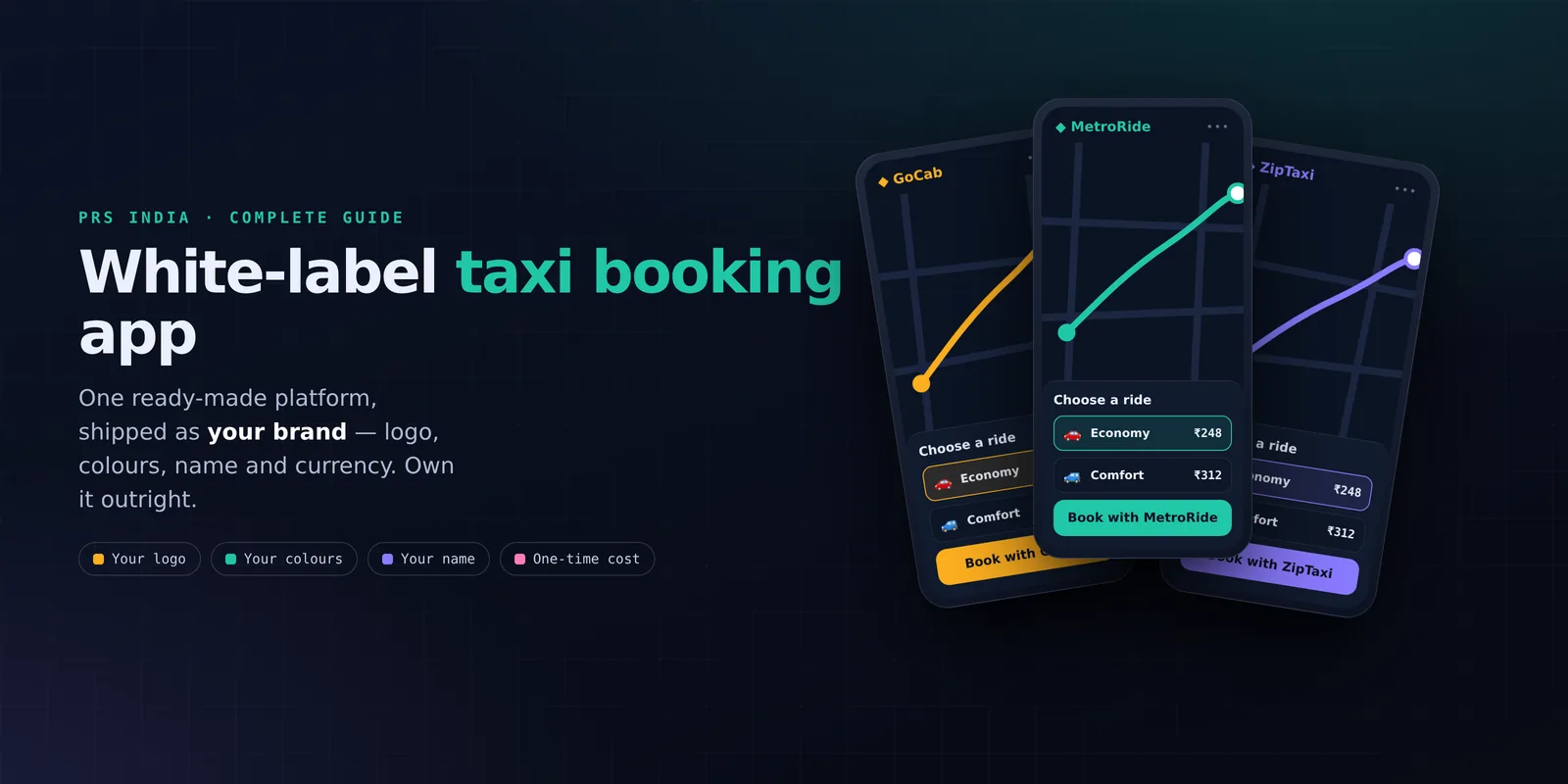
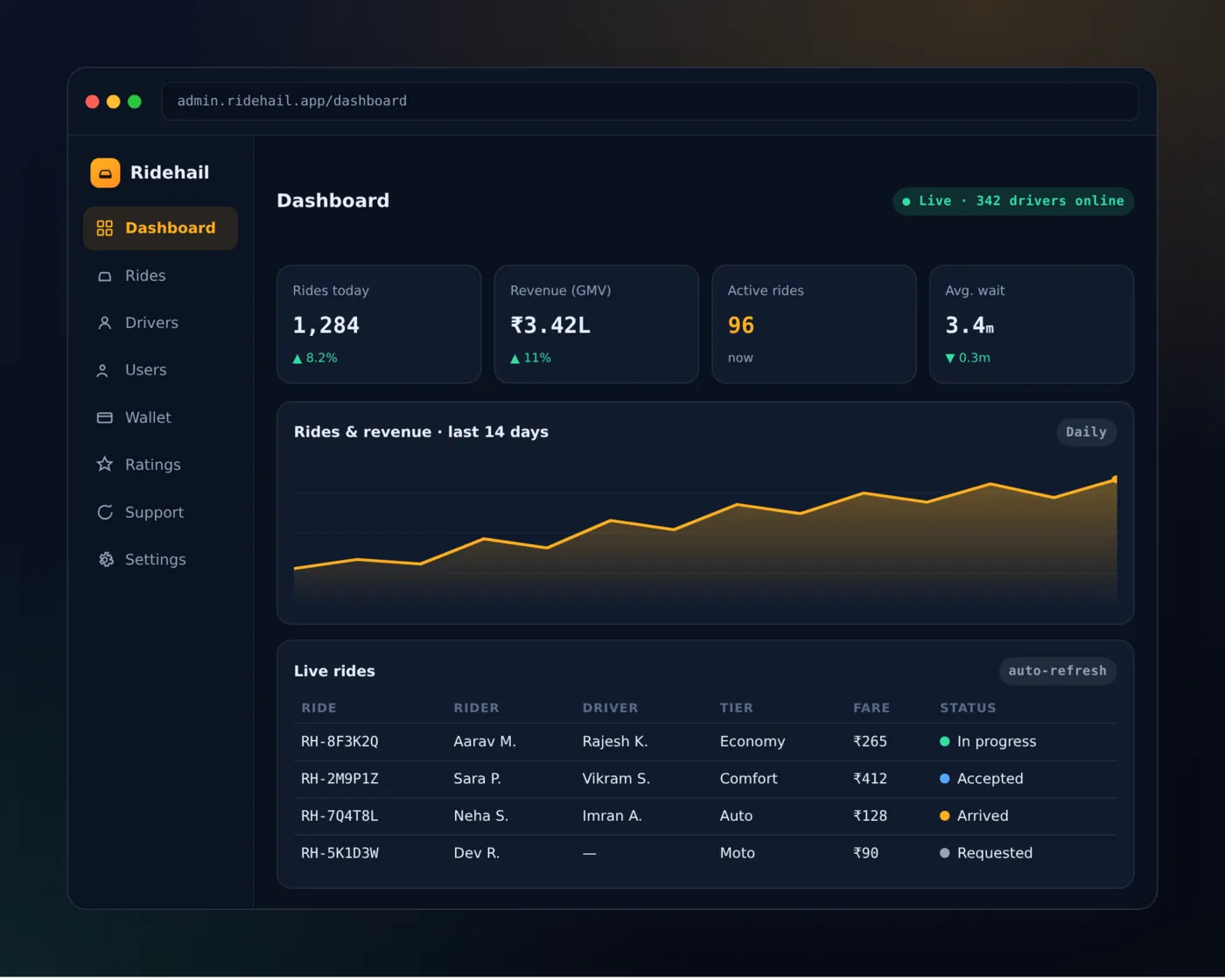
- Taxi & ride-hailing: rider, driver, and admin apps in one suite, with an added parcel-delivery mode — comparable in scope to Uber or Ola.
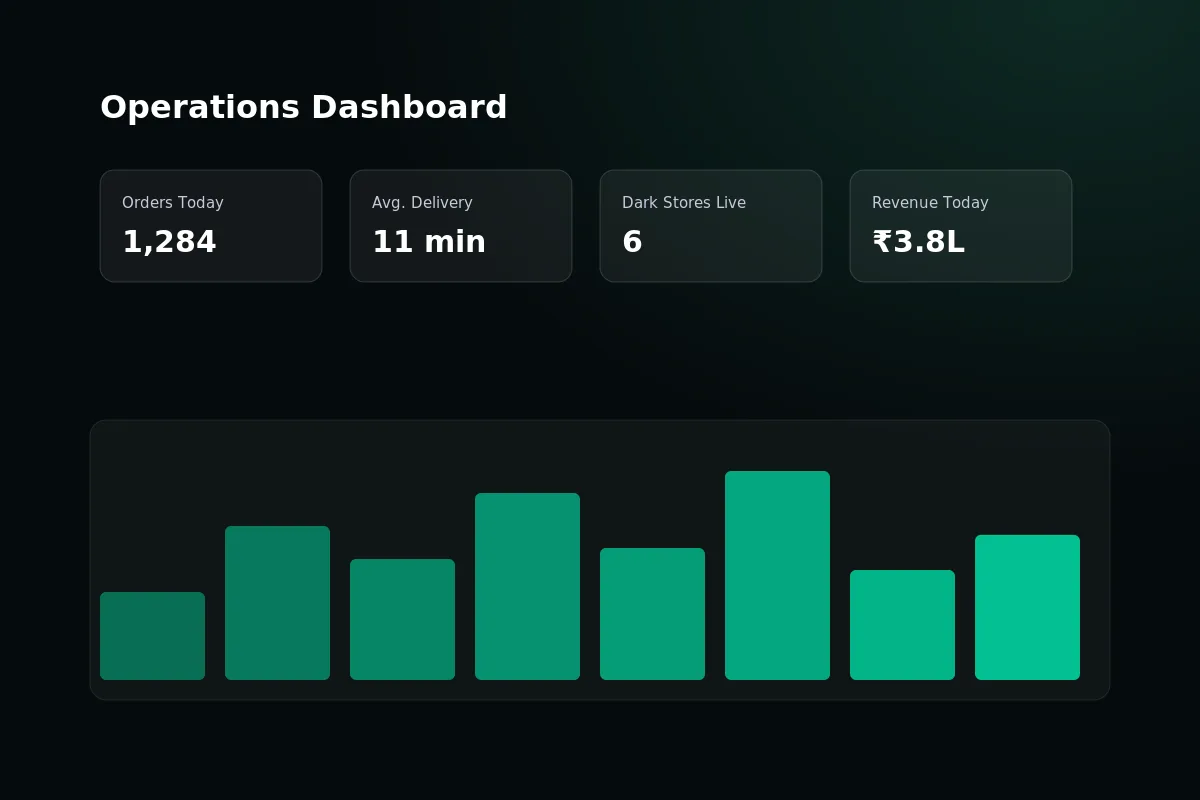
- Quick commerce: a dark-store and rider-dispatch stack built for 10-30 minute grocery and essentials delivery.
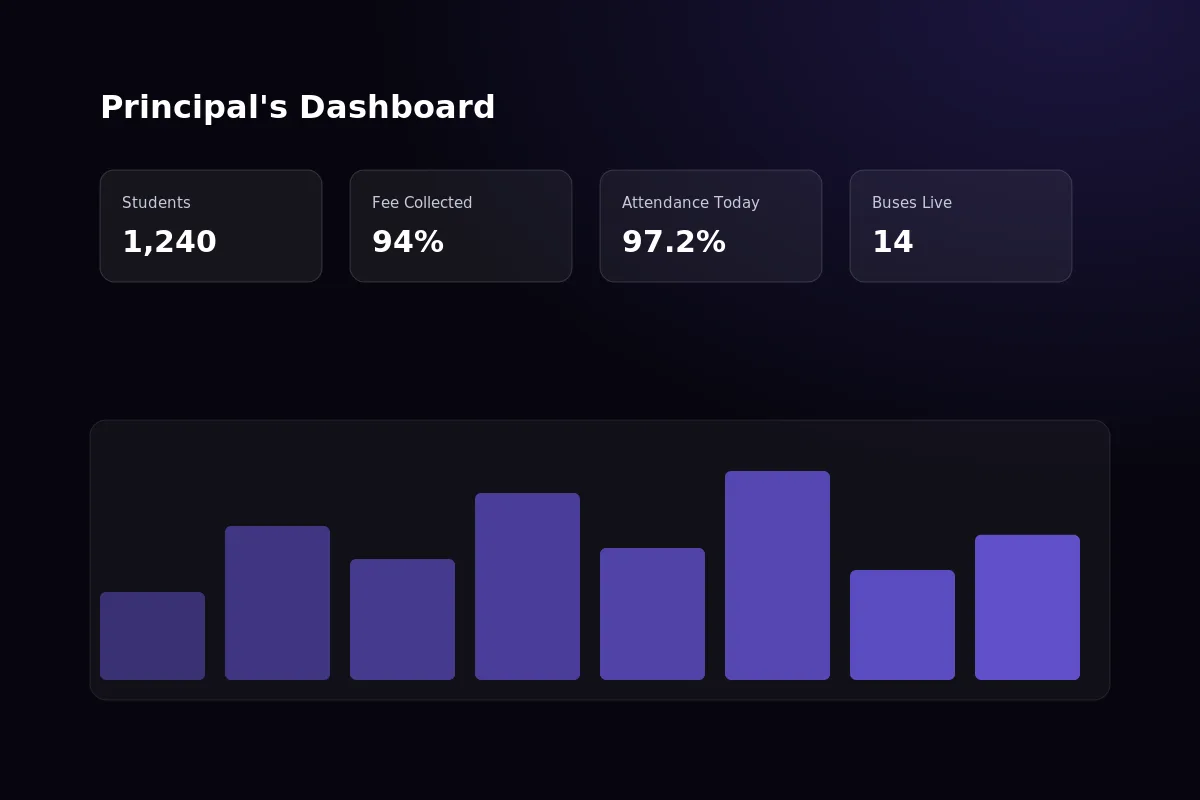
- School ERP (Classivo): 50+ modules covering academics, attendance, fees, and transport in one system.
- HRMS: an attendance-first workforce platform with roughly 20 modules that scales into full HR management.
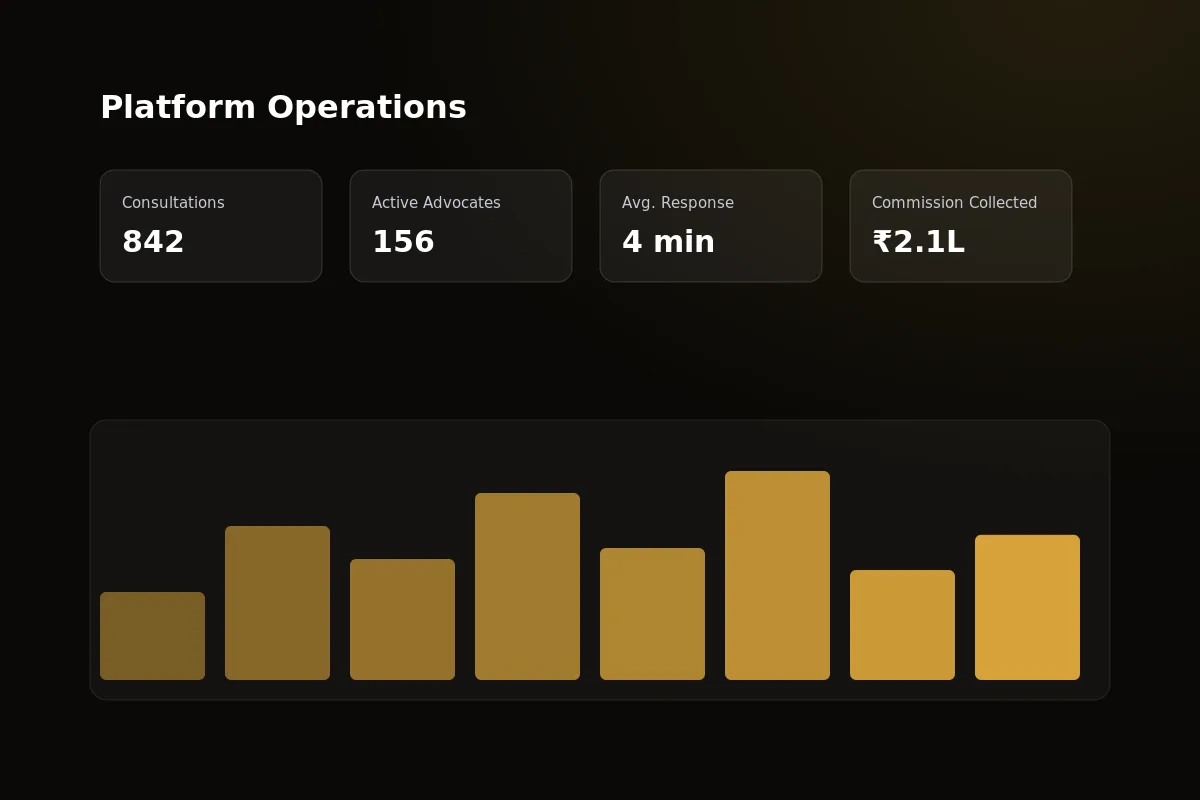
- Legal-tech: an advocate booking marketplace with case-type matching and case-status tracking.
- Reels/social (Vixmora): a vertical-video scroll feed with built-in social sharing.
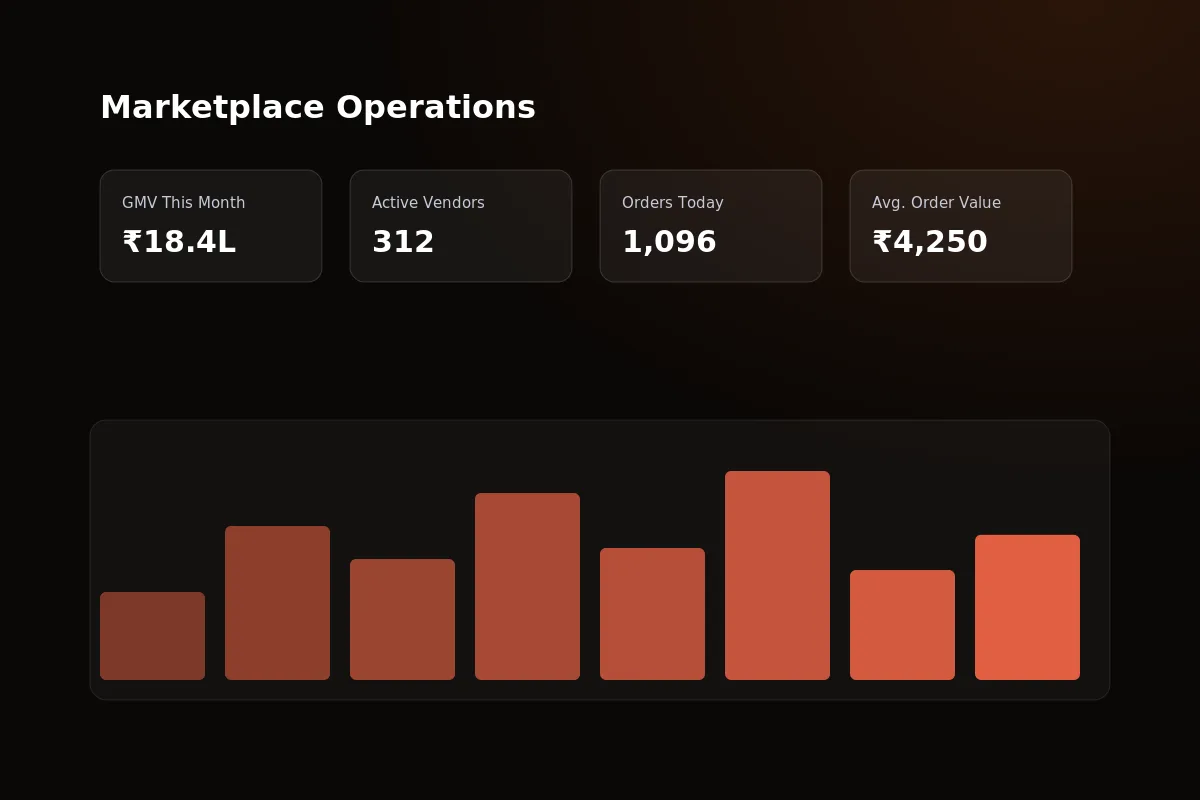
- B2B marketplace (Souqley): multi-vendor commerce with RFQs, bulk pricing, and trade-order flows.
- Logistics: a shipment-lifecycle platform covering pickup through last-mile, plus a driver app.
Every one of these is a one-time, white-label source-code product. A business owns the code outright — there’s no subscription and no ongoing service retainer baked into the price.
That matters most for founders who’ve been quoted six figures and a six-month timeline by a custom-build agency for something that, structurally, already exists.
For a closer look at what a strong ride-hailing build should include, see our breakdown of the must-have features for a taxi booking app.
To see a live walkthrough of any of these platforms, reach out through the contact page.
2. NexTech Solutions
NexTech Solutions works mainly with mid-size and large enterprises on system integration — connecting old ERP systems to new tools, and modernizing legacy codebases that have grown unwieldy over the years.
Engagements here tend to run long, with a dedicated project team assigned for the duration. It’s a solid fit for a business that needs deep, ongoing integration work rather than a single product build.
Expect a discovery phase before any code gets written, since integration work depends heavily on what the existing systems look like underneath.
3. CodeCraft Digital
CodeCraft Digital positions itself as an e-commerce specialist, building custom online stores, marketplace platforms, and inventory-sync tools for retail brands.
Its typical client is a retailer outgrowing a single sales channel and needing a storefront that talks to warehouse and POS systems simultaneously.
Projects here are usually scoped around a specific catalog size and order volume, so pricing tends to shift once real traffic numbers come in.
4. ByteForge Technologies
ByteForge Technologies focuses on fintech: lending platforms, payment gateway integrations, and the compliance-heavy features NBFCs and fintech startups need before they can go live.
The trade-off is longer development cycles, since financial products carry regulatory review that consumer apps generally don’t.
Its team is generally more useful once you already have legal and compliance sign-off, rather than at the very earliest idea stage.
5. Skyline InfoTech
Skyline InfoTech builds for healthcare — patient management systems, teleconsultation platforms, and hospital administration software.
Its client base skews toward clinic chains and mid-size hospitals that need software tailored to Indian healthcare workflows rather than an imported template.
Data privacy and health-record handling tend to shape the technical spec more than they would on a typical consumer app project.
6. Zenith Software Labs
Zenith Software Labs runs primarily as a staff-augmentation and outsourcing shop, supplying dedicated developer teams to overseas clients on contract.
It suits a business that already has a product roadmap and just needs extra engineering capacity, rather than one looking for a packaged product.
Contracts here are usually structured as monthly seats per developer, which makes budgeting predictable but doesn’t include ownership of a finished product.
7. Quantum Leap Technologies
Quantum Leap Technologies is a mobile-first agency, specializing in native iOS and Android builds for consumer brands.
Its strength is UI/UX-heavy work — the kind of polish-sensitive consumer app where native performance matters more than cross-platform speed.
Timelines here run longer than a cross-platform build, since native iOS and Android are effectively two separate codebases to design and test.
8. Pinnacle Digital Works
Pinnacle Digital Works helps startups design and build cloud-native SaaS products, including architecture consulting and DevOps setup from day one.
It’s a good match for a founder who wants a scalable technical foundation but is starting from a blank product idea.
Because so much of the early work is architecture, expect a heavier planning phase before any user-facing feature ships.
9. Vertex Software Solutions
Vertex Software Solutions is a data engineering and AI/ML integration shop, building recommendation engines, chatbots, and predictive-analytics dashboards.
Most of its work is for enterprise clients layering intelligence onto systems that already exist, rather than greenfield builds.
A clean, well-structured data pipeline is usually the prerequisite here — messy source data tends to be the first problem this kind of engagement uncovers.
10. Infinity Softworks
Infinity Softworks works mainly with early-stage founders, building MVPs quickly so a startup can validate an idea before committing to a full build.
Speed is the pitch here — a working prototype in weeks, with the understanding that a fuller rebuild often follows once the idea is validated.
That trade-off is worth knowing upfront: an MVP built for speed isn’t always the codebase you want to scale on later.
Comparison at a Glance
Ten companies, ten different specializations. The table below lines them up side by side so you can match a company to your specific project before reading further.
| Company | Best For | Notable Strength |
|---|---|---|
| PRS India | Businesses wanting a proven product across any of 8+ industries | Ready-made, white-label source code — launch in weeks |
| NexTech Solutions | Large enterprises needing system integration | Legacy modernization & ERP integration |
| CodeCraft Digital | Retail brands scaling e-commerce | Custom storefronts & inventory-sync builds |
| ByteForge Technologies | Fintech startups & NBFCs | Compliance-heavy financial product experience |
| Skyline InfoTech | Clinics & hospital chains | Patient management & teleconsultation systems |
| Zenith Software Labs | Companies needing outsourced dev teams | Staff augmentation at scale |
| Quantum Leap Technologies | Consumer brands wanting native apps | UI/UX-focused native development |
| Pinnacle Digital Works | Startups building a SaaS product | Cloud-native architecture & DevOps setup |
| Vertex Software Solutions | Enterprises adding AI/ML features | Data engineering & predictive analytics |
| Infinity Softworks | Early-stage founders validating an idea | Fast MVP builds |
Why Ready-Made Products Beat Custom Development for Many Businesses
Most companies on this list — like most of the industry — build every product from a blank slate. That’s the right call for a genuinely novel idea.
But if you need a taxi app, a school ERP, or a B2B marketplace, the core functionality has already been solved thousands of times over. Rebuilding it from zero is expensive and slow, for no real gain.
PRS India’s white-label model exists for exactly that gap. Here’s how it compares to a typical custom build:
- Own the code: you get the full source, not a locked-in license — the product is yours to modify, host, and extend however you want.
- One-time cost: a single purchase instead of months of hourly billing with scope that keeps expanding.
- Launch in weeks, not months: the core platform already exists and works — your team customizes branding, workflows, and integrations on top of it.
- Proven architecture: the codebase has already been through real builds, so you’re not the one discovering its edge cases for the first time.
- Customization, not restriction: owning the source means branding, workflows, and third-party integrations can all be changed freely — it isn’t a locked SaaS template.
None of this makes custom development pointless. If your business model genuinely depends on something no one has built, a from-scratch build from a team like NexTech or Pinnacle is still the right call.
But for the common cases — a taxi app, a delivery app, a school system, a marketplace — the build has already been done. Paying to redo it rarely buys you anything extra.
A custom-build agency is still the right choice for something no one has built before. For everything else, a ready-made product gets you to market faster and cheaper.
If you’re weighing custom development against a ready-made platform for your business, talk to the team through the contact page — most conversations start with a walkthrough of the closest matching product.
Frequently Asked Questions
How do you evaluate a software development company in Delhi NCR?
Start with portfolio depth in your specific use case, not just a long client list. A team that has shipped one relevant project in detail tells you more than ten unrelated logos on a homepage.
Ask whether the team builds in-house or subcontracts, and get the post-launch support terms in writing before you sign — verbal promises about “ongoing support” rarely survive a dispute.
What’s the typical cost difference between custom development and a ready-made product?
A custom build from scratch commonly runs three to six months or more of development time, billed hourly or on a fixed-scope quote that tends to grow as requirements firm up.
A ready-made white-label product is typically a single one-time cost, with the core platform already working — the remaining spend goes toward branding and customization, not building from zero.
Does location matter when most development happens remotely?
Less than it used to, but it still helps. A Delhi NCR presence makes time-zone alignment, contract enforceability, and in-person kickoff meetings easier when you need them.
What questions should you ask before signing a contract?
Ask who owns the source code once the project ends, what the post-launch support window covers, and how change requests are billed — hourly, or bundled into the original quote.
Also ask what the handover process looks like if the relationship doesn’t continue, and get it written into the contract rather than assumed.
Updated August 2026: Team sizes, focus areas and line-ups change, so treat this as a starting shortlist and verify current capabilities directly. PRS India's own product suite has grown since publication, most recently on the B2B marketplace and school ERP side.
Written by
Aditi
Building software at PRS India.